Meet the Clinical Care Team
Patient Navigators
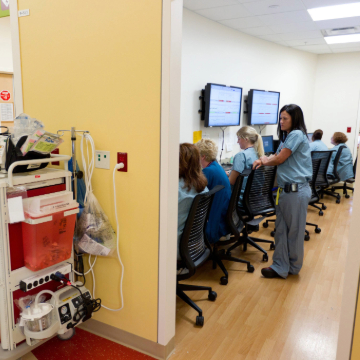
Patient navigators at the Weiser Center for Prostate Cancer are like personal assistants for patients and serve as a single point of contact for patients and families. Their key task is to guide patients and their families through the entire journey of prostate cancer treatment. From explaining medical processes to tackling issues like insurance coverage and appointment scheduling, they deal with it all.
They connect patients with doctors, schedule necessary medical procedures, and make sure everything goes as planned. They also provide educational, emotional, and logistical support, helping patients handle the stress of disease and treatment. Even after recovery, they continue to assist with follow-up care and maintain follow-up communications with patients in need of additional assistance. Their role makes the whole journey smoother and less daunting for patients.
Nurses
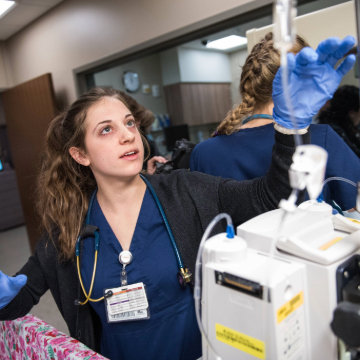
Nurses provide personalized and compassionate care to patients navigating the challenges of prostate cancer. Our nurses play a pivotal role in the overall care of our patients from providing personalized care, managing symptoms, and educating patients about their disease and treatment.
Our nurses assist patients in understanding their condition and help with making informed decisions about their prostate cancer care. They educate patients and families of potential side effects related to treatment, discuss coping strategies, and self-management. Our nursing team utilizes a multifaceted approach with the goal of supporting our patients through diagnosis, treatment, rehabilitation and survivorship.
Advanced Practice Providers

Advanced practice providers (APPs), such as Nurse Practitioners (NPs) and Physician Assistants (PAs) are an integral part of your health care team. They order and interpret diagnostic tests, such as lab work and imaging, and may prescribe medications.
APPs practice medicine under the direction of physicians and have specialized training to care for our prostate cancer patients.
Physical Therapy

Physical therapy, specifically pelvic floor training, can help with gaining bladder control after surgery for prostate cancer.
After surgery for prostate cancer, men experience urine leakage because one of two valves that are in charge of holding or releasing urine from the bladder is not working as well as it did before and the nerves around the bladder need time to heal. Fortunately, the muscles of the pelvic floor can help. Pelvic floor exercises improve bladder control which in turn leads to confidence in one’s body and restores quality of life.
The Weiser Center for Prostate Cancer has a team of specialty trained physical therapists who are experts in treating patients coping with prostate cancer treatment-related urine leakage. A comprehensive assessment and a treatment plan leads patients to recover bladder control early so that they can participate in their usual activities. Patients who live far away from the University of Michigan receive referrals for local specialists in pelvic floor rehabilitation so that they can complete their training close to home.
Medical Assistants
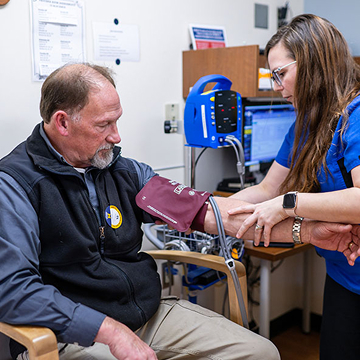
Medical Assistants take your vital signs, walk you back to your exam room, gather information on your health, and communicate with the providers on your health care team.
Medical Assistants support your clinic care teams in the Department of Radiation Oncology and the Division of Urologic Oncology.
Registered Dietitians

Registered Dietitians (RDs) at the Weiser Center for Prostate Cancer are specially trained in the field of oncology nutrition.
They focus on assessing the individual dietary and nutrition needs of each patient and providing practical, scientifically sound assistance.
Our nutritionists work with patients to develop food strategies, not strict, hard-to-follow meal plans. The nutrition staff understands that food can become an ally in your health care journey.